MOTENZA CUSTOM WRAP
The project library
Find a clear starting point for your vehicle. Explore coverage choices, body-specific planning, business graphics, marine projects, finishes and ownership decisions.
Coverage & detail
Full exterior color change
A full exterior wrap changes the closed-car appearance. It does not automatically change the color inside every door opening. Start with a panel map: bumpers, hood, roof, doors, fenders and rear bodywork, then list trim and openings separately.
Door jamb wrapping
Door jambs matter when the new exterior color contrasts strongly with the original paint. The useful question is which visible returns to cover: door edges, body-side openings, hinge areas and sill surfaces are different pieces of scope.
Two-tone car wrap design
A two-tone wrap is a proportion decision before it is a color decision. A split at the roof, shoulder or lower body changes the apparent height and length of the car. Test the boundary on side, front and rear views together.
Color-shift wrap planning
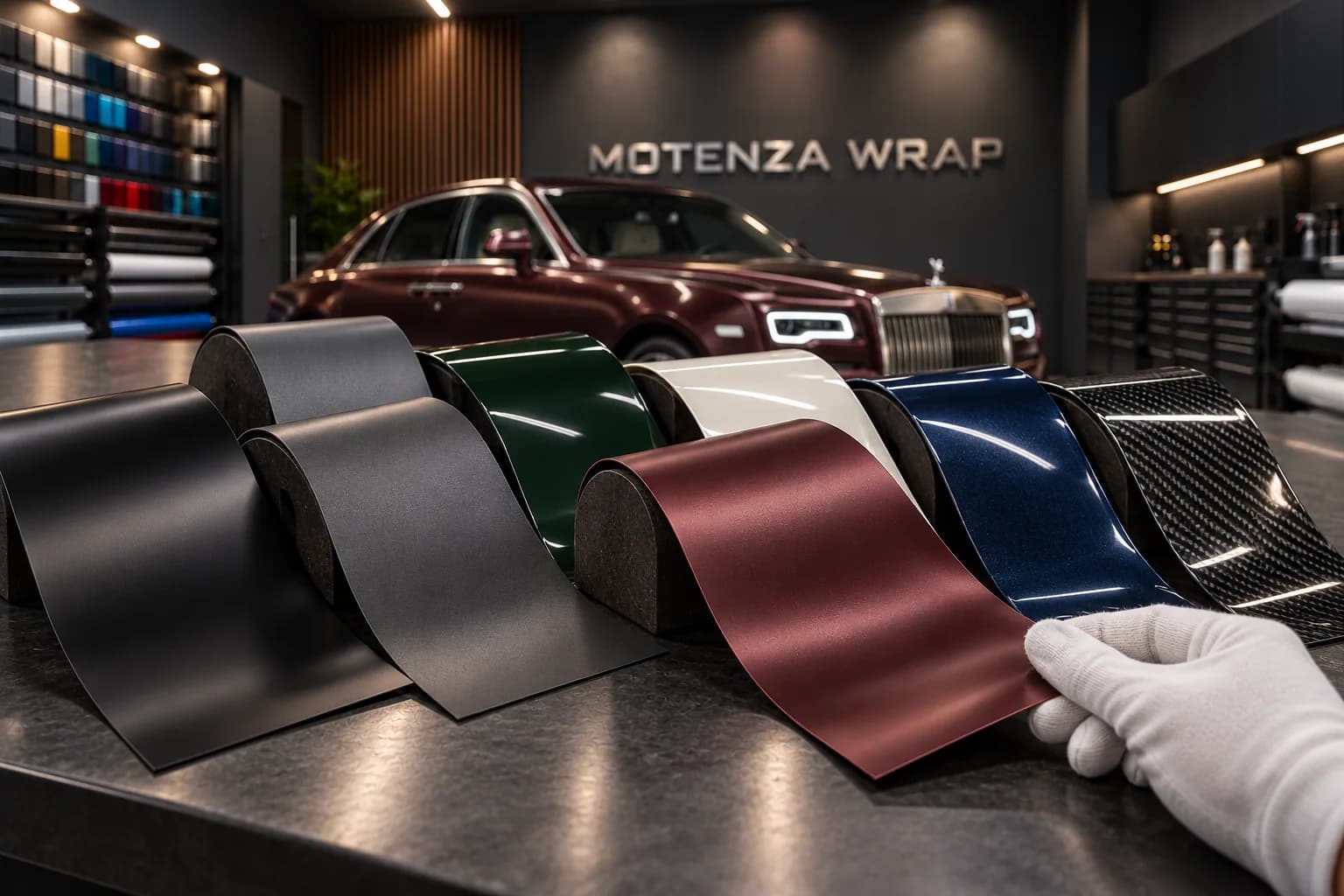
Color-shift film is selected by movement and viewing angle, not a single screenshot. Ask to view the exact material on a curved sample, then move around it in daylight and under studio lighting.
Track-oriented PPF coverage
Track use changes where to discuss film coverage. Map the front bumper and hood, but also examine rocker panels, lower doors and the areas behind wheels on the actual vehicle. Existing marks help identify the owner's priorities.
Hood wraps
A hood wrap can add contrast without changing the whole car. Inspect chips and repaired paint first: a darker or flatter finish can change their visibility but is not a repair.
Roof wraps
A contrasting roof can visually connect the windshield and rear glass. The first decision is where painted roof ends and glass, rubber, rails or pillars begin.
Mirror cap wraps
Mirror caps are small but compound curves make them a distinct wrapping task. Separate the painted cap from the base, indicator, camera and underside.
Racing stripes and accent graphics
Stripes need a vehicle centerline and a consistent width relationship, not just an attractive reference. Hood, roof and rear panels rarely form one uninterrupted plane.
Interior trim wrapping
Interior trim wrapping starts with a parts inventory. Smooth removable decorative pieces differ from textured plastics, soft-touch coatings, switches and safety equipment.
Ceramic coating for paint
Coating and paint correction are separate decisions. Inspect the paint under useful lighting before deciding whether the goal is to preserve its current finish or improve visible defects first.
Wheel ceramic coating
Wheel faces, inner barrels and brake calipers are different surfaces. Decide what should be treated and whether wheel removal is part of the proposed access.
Marine ceramic coating planning
A vessel can combine gelcoat, painted panels, vinyl graphics and metal fittings. A single coating description does not establish compatibility across all of them.
Ceramic window tint selection
Ceramic tint is a product category, not a complete performance specification. Compare the exact film and shade using its current data sheet.
Window trim chrome delete
Window surrounds often contain several separate trim pieces. A successful dark treatment begins by deciding which pieces should visually join and which original details remain.
Fleet wrap programs
A fleet is a set of vehicle variants, not one design repeated at different sizes. List roof heights, wheelbases, doors and equipment before artwork is adapted.
Printed vehicle graphics
Printed graphics begin with usable artwork and a final-size layout. A logo saved from social media is not equivalent to a production file.
Full hull boat wraps
Full hull coverage needs a drawn boundary. The hull side, transom, fittings and areas near the waterline should not be treated as one unspecified surface.
Partial hull graphics
Partial graphics use the existing hull color as part of the design. Their stopping lines should look deliberate around the bow, rub rail and transom.
Wrap adhesive removal assessment
Adhesive residue needs assessment after the film and paint history are understood. Old, brittle material, repainting and previous repairs can change the removal approach.
Your vehicle
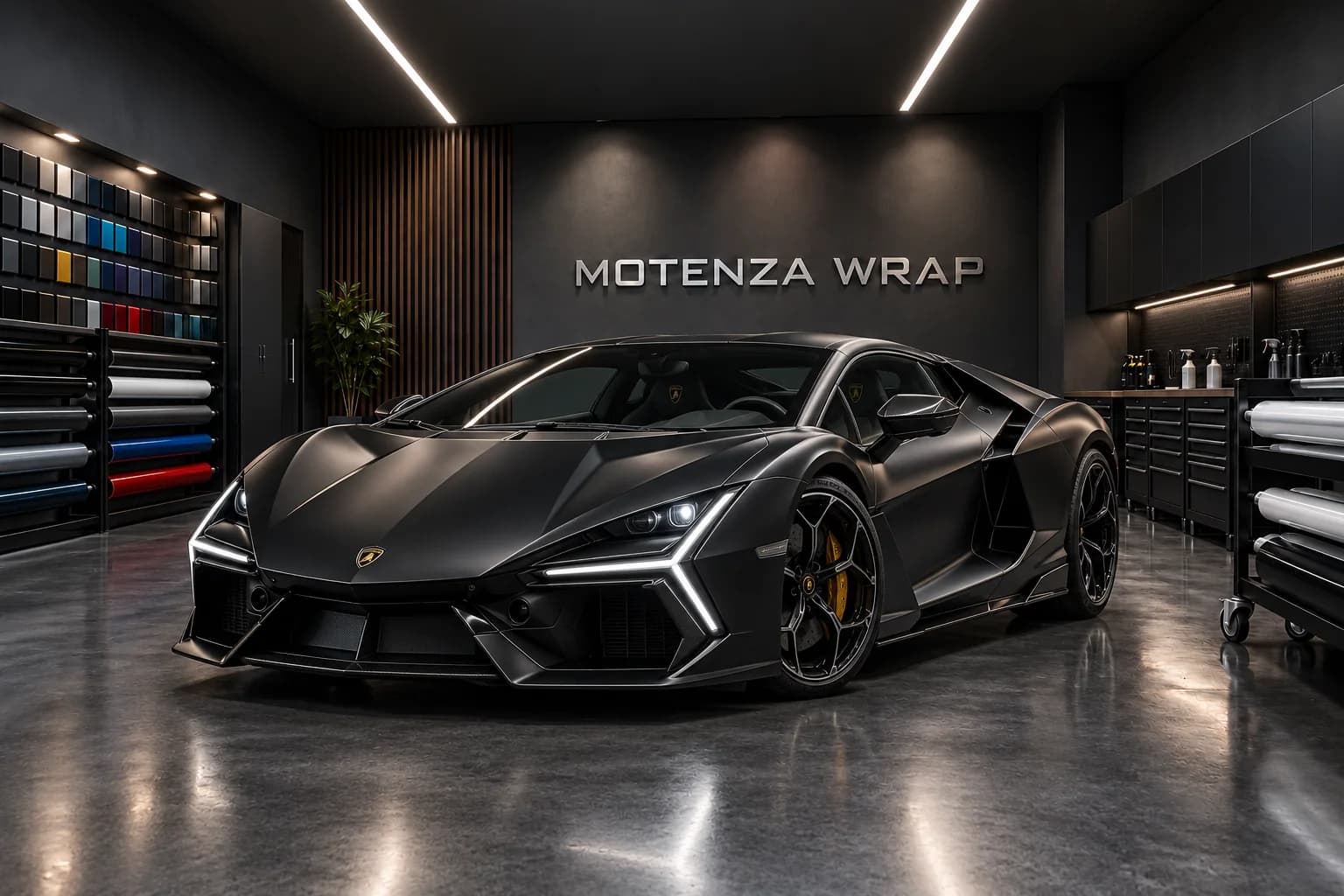
Lamborghini wrap planning
Angular panels and deep intake shapes make coverage planning more useful than a generic color render. Identify the exact model, year and fitted aero parts.
Rolls-Royce wrap planning
Long body surfaces make color proportion and reflection continuity especially noticeable. Start with the exact model and whether the project preserves or changes the brightwork.
Ferrari wrap and PPF planning
A Ferrari project should distinguish changing appearance from preserving the existing paint color. Vinyl color change and clear PPF answer different priorities.
BMW wrap planning
A BMW color project should account for the exact body, trim package and any aftermarket pieces. The grille surround, roof, mirror caps and lower body can each follow a different finish direction.
Mercedes-Benz color and trim planning
Mercedes-Benz sedans, coupes and SUVs need different trim inventories. Decide whether you want the existing brightwork to frame the new body color or disappear into a darker composition.
Mercedes G-Class wrap planning
The G-Class needs a component map: external hinges, side moldings, spare-wheel cover and upright body panels interrupt the apparent color area.
Tesla Model 3 wrap planning
For a Model 3, establish the model year and body generation before choosing coverage. Glass roof boundaries, handles and fitted trim belong on the inspection record.
Pickup truck wraps
The cab and bed are separate graphic surfaces. The gap between them, wheel arches, fuel door and tailgate can break a design that looks continuous in a flat drawing.
Motorcycle wrapping
A motorcycle project is a parts inventory rather than a car-sized coverage package. Tank, fairings, fenders and small trim can have different substrates and access.
RV and motorhome graphics
An RV has long surfaces interrupted by windows, storage doors, vents and body seams. Inspect old decals and the underlying finish before designing replacement graphics.
Business graphics
HVAC vehicle graphics
An HVAC vehicle should explain what the company does before presenting a long equipment list. Decide which service category matters most to the people seeing the van.
Plumbing van and truck graphics
A plumbing graphic has little time to communicate. Separate the company identity, the service people need and the contact action instead of giving every line equal weight.
Electrical contractor vehicle graphics
Electrical services can range from residential work to commercial systems. Choose a clear primary message instead of printing every specialist capability on the vehicle.
Landscaping vehicle and trailer graphics
A landscaping identity often spans a pickup and equipment trailer. Their graphics must work both together and when the trailer is detached.
Construction company vehicle graphics
Construction vehicles carry hardware that can hide a flat-layout design. Toolboxes, racks, side compartments and tailgate equipment belong in the artwork measurements.
Cleaning company van graphics
A cleaning brand needs to distinguish residential, commercial or specialist work quickly. An uncluttered vehicle can communicate that focus more clearly than many small icons.
Real estate vehicle branding
Real estate branding may combine an agent name, brokerage identity, portrait and contact details. Decide who owns the final approval before layout begins.
Event and campaign vehicle graphics
A short campaign needs a plan for what happens after the event. Dates, sponsor names and temporary destinations should be approved separately from reusable brand elements.
Delivery fleet graphics
Delivery vehicles are often seen from behind during stops. Build the rear message independently instead of cropping a side design.
Fleet rebranding and graphic changeovers
Rebranding needs a vehicle-by-vehicle record of old graphics, surface condition and the new approved identity. Removal and new installation are separate stages.
Replacement panels for fleet graphics
Replacing one printed panel starts with identifying the original artwork, material and installed condition. A fresh print can differ visually from weathered neighboring graphics.
Service pickup lettering
Service pickups need a readable identity across a cab-and-bed gap. A simple lettering scheme may serve the business better than artwork interrupted by toolboxes.
Marine planning
Center-console boat wrap planning
Center-console hulls combine curved bows, long sides and fittings that interrupt the graphic area. Define the hull-side scope independently from the deck and console.
Boat names and custom lettering
Boat lettering begins with exact owner-approved wording. Letter spacing and available placement matter as much as font selection.
Hull graphic design
Hull graphics need a design that survives curvature, not just a long rectangular image. The bow can compress the apparent message while the stern introduces fittings and changes of angle.
Old boat graphic removal
Old marine graphics can leave a different-looking surface after removal. Film condition and substrate history should be assessed before promising the appearance of the exposed hull.
Planning vessel access for wrapping
A boat's size is only one part of installation planning. Trailer supports, fittings and working height can block surfaces that look accessible in a photograph.
Care planning for marine graphics
Marine graphic care should follow the exact installed material and hull finish. Keep that product record with the vessel rather than relying on a generic car-wrap routine.
Color & finish
Matte wrap finishes
Matte changes the way reflections describe the body. Compare the exact film on curves and flat panels rather than assuming all matte materials share one appearance.
Satin wrap finishes
Satin is often chosen for a softer reflection while retaining visible highlights. Its exact appearance sits with the selected material, not a universal level between matte and gloss.
Gloss wrap finishes
Gloss makes reflection continuity part of the design. Evaluate the actual film at realistic viewing distance and close up; a color photograph does not show every aspect of its surface.
Metallic vinyl finishes
Metallic appearance adds another variable beyond color and gloss. Light, viewing angle and the selected film can change how visible the metallic effect becomes.
Pearl wrap finishes
Pearl appearance is best judged on the actual material under changing light. A warm or cool undertone can alter the relationship with chrome, black trim and interior colors.
Carbon-look vinyl accents
Carbon-look vinyl is a decorative surface treatment. It should be evaluated as a texture and pattern, separately from genuine structural carbon-fiber parts.
Decisions & care
Full wrap or partial wrap?
Choose by the visual change you want, not the percentage of vinyl alone. A partial wrap can emphasize a roof, hood or business message; a full exterior change aims for a coherent outside color.
Vinyl wrap or repaint?
A wrap changes the visible surface with film; repainting is a different body and finish project. Start with paint condition and the result you need rather than a universal price or resale comparison.
Clear or matte PPF?
Compare the appearance goal first: preserve the existing reflection character or deliberately change it. The exact film determines the result; generic labels do not describe every product.
Colored PPF or color-change vinyl?
A shared color goal does not make colored PPF and vinyl interchangeable. Compare the actual products, intended application and coverage rather than assuming one category always suits every project.
Front-end or full-body PPF?
Choose coverage by comparing actual panels. A front-end package and a full-body proposal can share a name while differing in mirrors, lower panels, pillars or rear areas.
Planning PPF with ceramic coating
Combining film and coating requires a compatible system and an agreed sequence. Paint, film and uncovered trim may need different products and care.
What affects a wrap's service life?
There is no useful single lifespan for every film and vehicle. The exact product, exposure, panel orientation, maintenance and starting surface belong in the discussion.
Questions to ask about wrap warranties
A material warranty and installation terms can cover different things. Read the actual written documents rather than treating a verbal duration as complete coverage.
Choosing the actual film product
A color name is not a full material specification. Record manufacturer, product line, finish and exact reference before comparing proposals.
How to compare physical color samples
A physical sample answers a different question from a screen image. It lets you judge the exact material beside your paint, glass, trim and interior.
Photos that help a wrap assessment
Useful quote photographs show the starting vehicle, not only the finish you want. Include the whole car and details that may change the scope.
Wrapping repainted panels
Repainted panels need their own assessment. The history and condition of the coating matter to both application and later removal.
Existing ceramic coating before wrapping
Tell the studio about an existing coating before film selection and preparation. A clean-looking surface does not reveal which products are already present.
Assessing old vehicle film
Before choosing a new finish, assess what is already on the car. Unknown age, brittle edges, discoloration and previous repainting all belong in the record.
Disassembly questions before wrapping
Disassembly is a scope decision, not an automatic measure of quality. Ask which components need access for the agreed coverage and which will remain fitted.
Understanding wrap edge coverage
The visible finish depends on where film stops and what can be seen from ordinary viewpoints. An outer panel, its return and a deep opening are different coverage areas.
Seams and inlays in a wrap
Complex shapes can require planned joins or separate inlays. Their position should be discussed as part of the design rather than discovered only at collection.
Wrapping aftermarket bodywork
An aftermarket part can differ from the original panel in substrate, paint quality, texture and attachment. Identify it before treating the car as a standard body.
Washing a wrapped vehicle
Start with the care instructions for the installed film. Vinyl, printed graphics and PPF should not inherit every product or method used on an unwrapped car.
Pressure washing and film edges
Pressure-washing limits depend on the exact material. Obtain the manufacturer's current guidance rather than copying a distance or pressure setting from a different film.
Care for matte film finishes
Matte care should preserve the selected low-reflection appearance. A treatment intended to increase gloss can work against that result.
Care for satin wrap finishes
A satin surface has a deliberate reflection character. Its maintenance should follow the specific film, not an assumption that it can be polished like glossy paint.
Contamination on vehicle film
Bird droppings, sap and road residue should be identified before choosing a treatment. The right response depends on the installed film and the substance.
Parking and storage for wrapped vehicles
Storage is part of material selection and care. Describe regular outdoor parking, covered storage and seasonal use before interpreting any durability guidance.
Reviewing the vehicle after installation
A useful handover review compares the finished vehicle with the agreed scope. Bring the final panel list and note the areas deliberately excluded.
Matching a replacement wrap panel
Replacing a panel needs more than remembering its color name. The exact product, finish, orientation and current neighboring surfaces all affect the comparison.
Changing from one wrap color to another
A second color project starts by assessing the existing installation. New film selection should follow the removal and substrate discussion, not replace it.
Assessing damage to PPF
A mark on protective film does not by itself show the condition of the paint underneath. Record the damage before trying heat, polishing or replacement.
Local patch or full-panel replacement?
A small damaged area raises a design question as well as a repair question. A local patch introduces a boundary; replacing the panel changes more material.
Records to keep after a wrap project
A useful project record makes later care and panel replacement easier to discuss. Keep the final scope alongside the material and artwork references.
Artwork files for fleet graphics
The artwork handoff should identify what is editable and what is approved. A low-resolution logo may look acceptable on a phone but fail at vehicle scale.
Making vehicle contact details readable
The useful test is whether someone can identify the company and contact route at a realistic viewing size. More lines are not automatically more information.
QR codes on parked business vehicles
A vehicle QR code should support a safe parked interaction. It should not be the only way to identify or contact the business.
Checking a vehicle artwork proof
Approve a proof as a production decision. Check facts and placement separately from whether the design feels attractive.
Consistent branding across mixed vehicles
Consistency comes from repeatable rules, not identical scaling. A van, box truck and pickup offer different useful shapes.
Removing retired fleet branding
De-branding starts with an inventory of every graphic surface, not only the main side logo. Include rear doors, cab details and replaced panels.
Boat wrap or hull painting?
Compare the desired hull change with the actual substrate and access. Film and repainting have different preparation and future-work questions.
Measuring for marine graphics
Useful measurements describe the available surface, not only overall boat length. Pair dimensions with clear photographs and named reference points.
Maintaining a ceramic coating
Keep maintenance tied to the installed product and the surfaces treated. Coated paint, film and wheels may have different instructions.
Paint correction before PPF
Surface correction and film installation should be considered separately. Decide whether existing defects need attention before they sit beneath a new film.
Inspecting a new car before PPF
A new vehicle still deserves a starting-condition record. Delivery mileage alone does not describe paint, transport marks or treatments already applied.
Ceramic coating or PPF?
PPF and ceramic coating are different surface systems. Choose by the problem you want to address, then compare the exact products rather than treating one as a universal replacement for the other.
What determines a wrap project timeline?
A useful schedule separates decisions, preparation, installation and handover. Vehicle complexity and unfinished artwork can matter as much as the coverage size.
How to compare wrap proposals
Two totals are only comparable when they describe the same work. Normalize the material, coverage and preparation before deciding which proposal fits your priorities.
Printed graphics or cut lettering?
Choose by the message and artwork. Cut lettering suits designs built from distinct shapes and text; printed graphics can carry photographs and more complex visual compositions.
Planning wrap removal before a vehicle sale
Removal before a sale is a condition and disclosure project, not a guaranteed way to increase value. First identify the film and what is known about the paint beneath.