Hollywood, Florida · Serving Miami and Fort Lauderdale
Hull graphic design
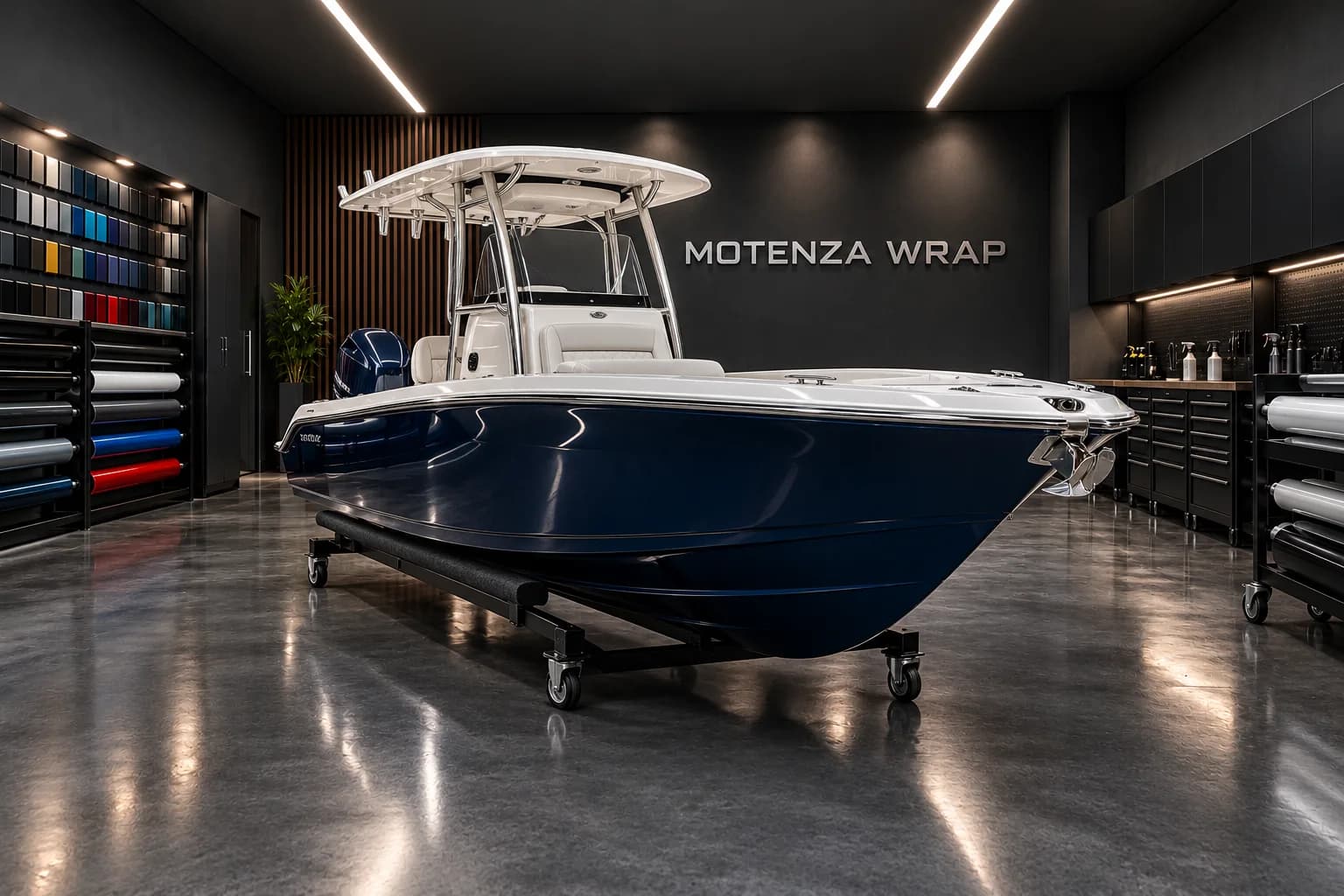
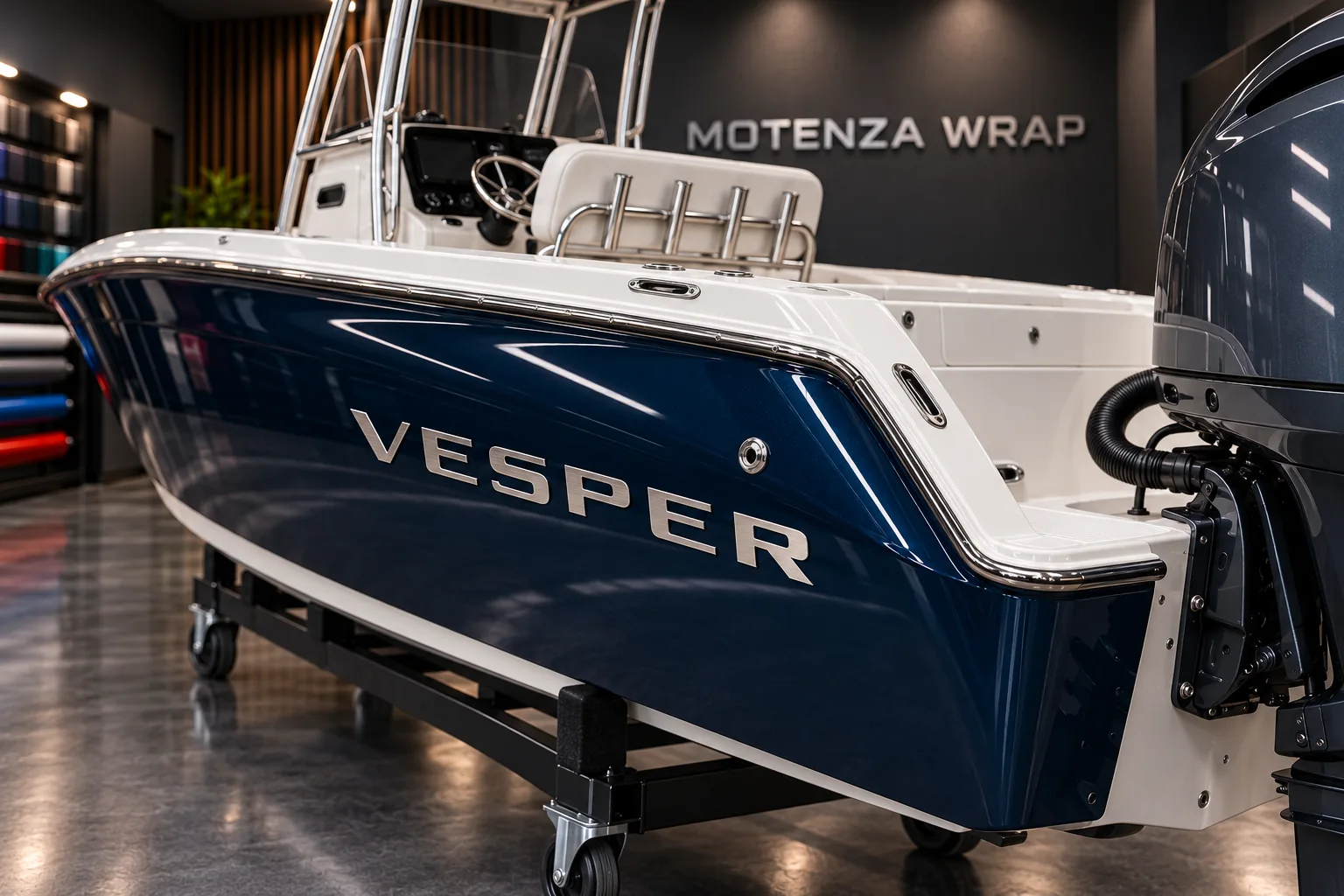
Hull graphics need a design that survives curvature, not just a long rectangular image. The bow can compress the apparent message while the stern introduces fittings and changes of angle.
How to make the decision
Establish side and stern compositions together. Place the visual focal point on the usable hull area and check it from realistic viewpoints. Keep source artwork separate from the vehicle-specific production layout.
What to avoid
A beautiful flat file does not show how a graphic will read around a curved bow.
Prepare your project
Send broadside photographs, dimensions, preferred imagery and the words that must stay readable.
A clearer project brief
- Vehicle and starting surface
- Record make, model, year and body style. Identify repaired or repainted panels, existing film and surface treatments. Include close photos of damage rather than hiding it behind a finish reference.
- The result you want
- Separate the appearance goal from the coverage goal. Name the surfaces that should change and the original details you want to keep. A reference image describes a direction; a selected physical material defines the product.
- The boundary of the work
- Ask for covered panels, visible edges, disassembly and exclusions in writing. Identify preparation and removal as separate tasks. Two proposals become comparable when their material and surface boundaries match.
- Before you approve
- Keep the final version of the scope, product reference and any artwork proof. Confirm timing directly before arranging transport. Ask for the exact care instructions and a contact route for questions after handover.
Explore the service
Discuss your project
Scope, material and installation dates are confirmed with the studio. An inquiry does not reserve an appointment.


