Hollywood, Florida · Serving Miami and Fort Lauderdale
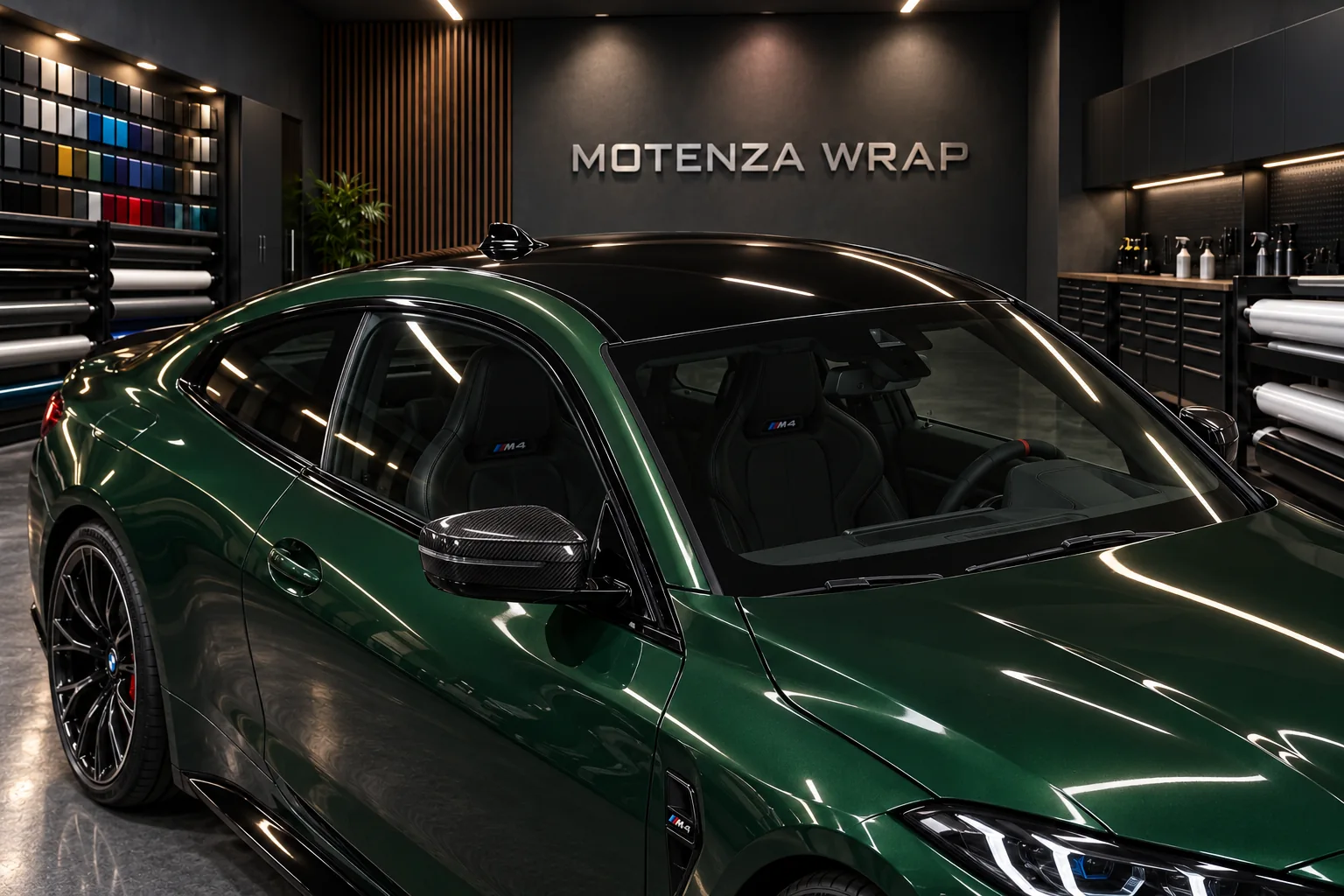
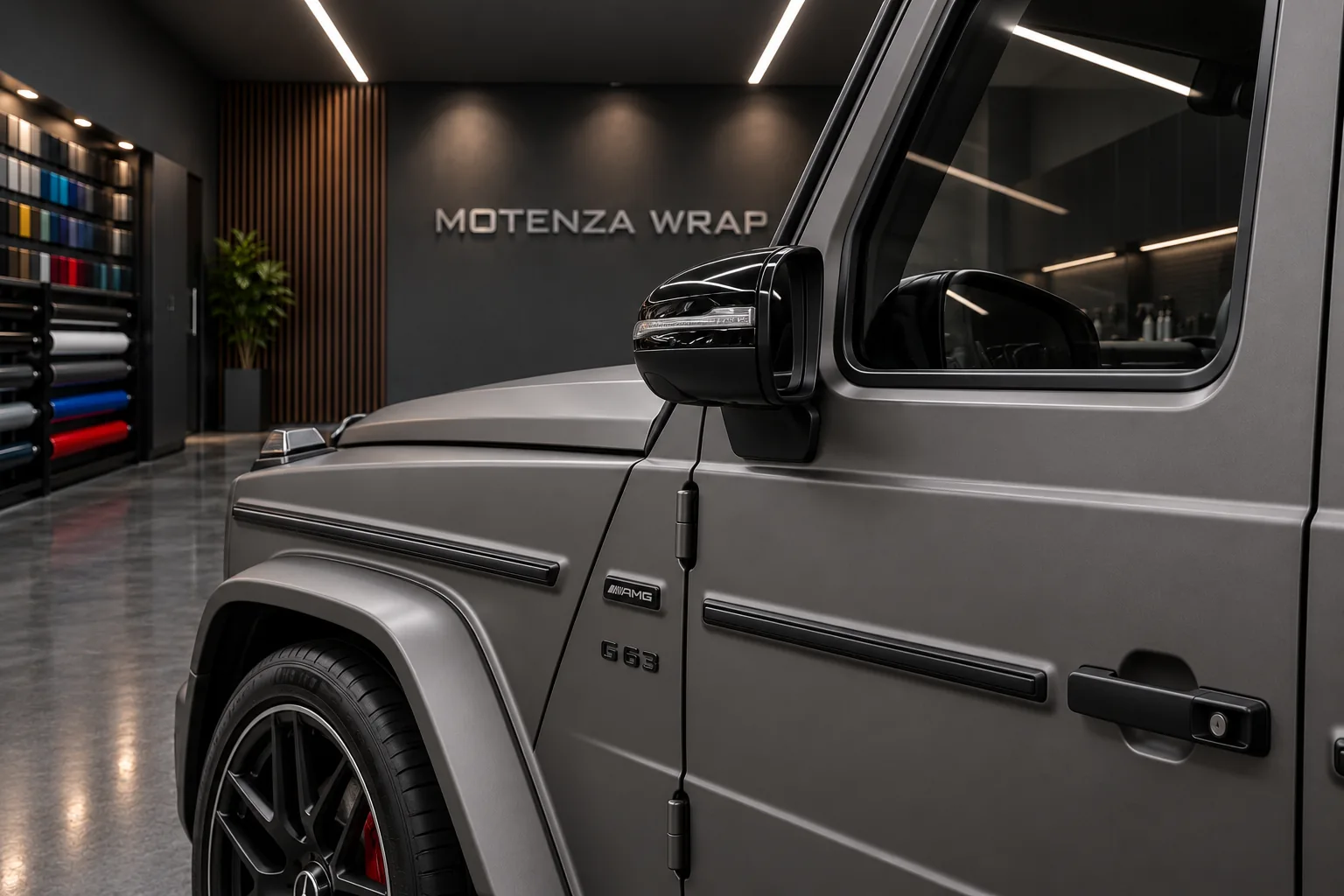
Mirror cap wraps
Mirror caps are small but compound curves make them a distinct wrapping task. Separate the painted cap from the base, indicator, camera and underside.
How to make the decision
Choose a finish that works with the roof and window trim. Review both mirrors together and agree where a seam or inlay may be needed. Existing chips and aftermarket caps affect the starting surface.
What to avoid
A mirror wrap is not permission to cover lights, cameras or moving joints. Coverage must be mapped around them.
Prepare your project
Send front, outer and underside views of each mirror, including any sensors or damage.
A clearer project brief
- Vehicle and starting surface
- Record make, model, year and body style. Identify repaired or repainted panels, existing film and surface treatments. Include close photos of damage rather than hiding it behind a finish reference.
- The result you want
- Separate the appearance goal from the coverage goal. Name the surfaces that should change and the original details you want to keep. A reference image describes a direction; a selected physical material defines the product.
- The boundary of the work
- Ask for covered panels, visible edges, disassembly and exclusions in writing. Identify preparation and removal as separate tasks. Two proposals become comparable when their material and surface boundaries match.
- Before you approve
- Keep the final version of the scope, product reference and any artwork proof. Confirm timing directly before arranging transport. Ask for the exact care instructions and a contact route for questions after handover.
Explore the service
Discuss your project
Scope, material and installation dates are confirmed with the studio. An inquiry does not reserve an appointment.