Hollywood, Florida · Serving Miami and Fort Lauderdale
Marine ceramic coating planning
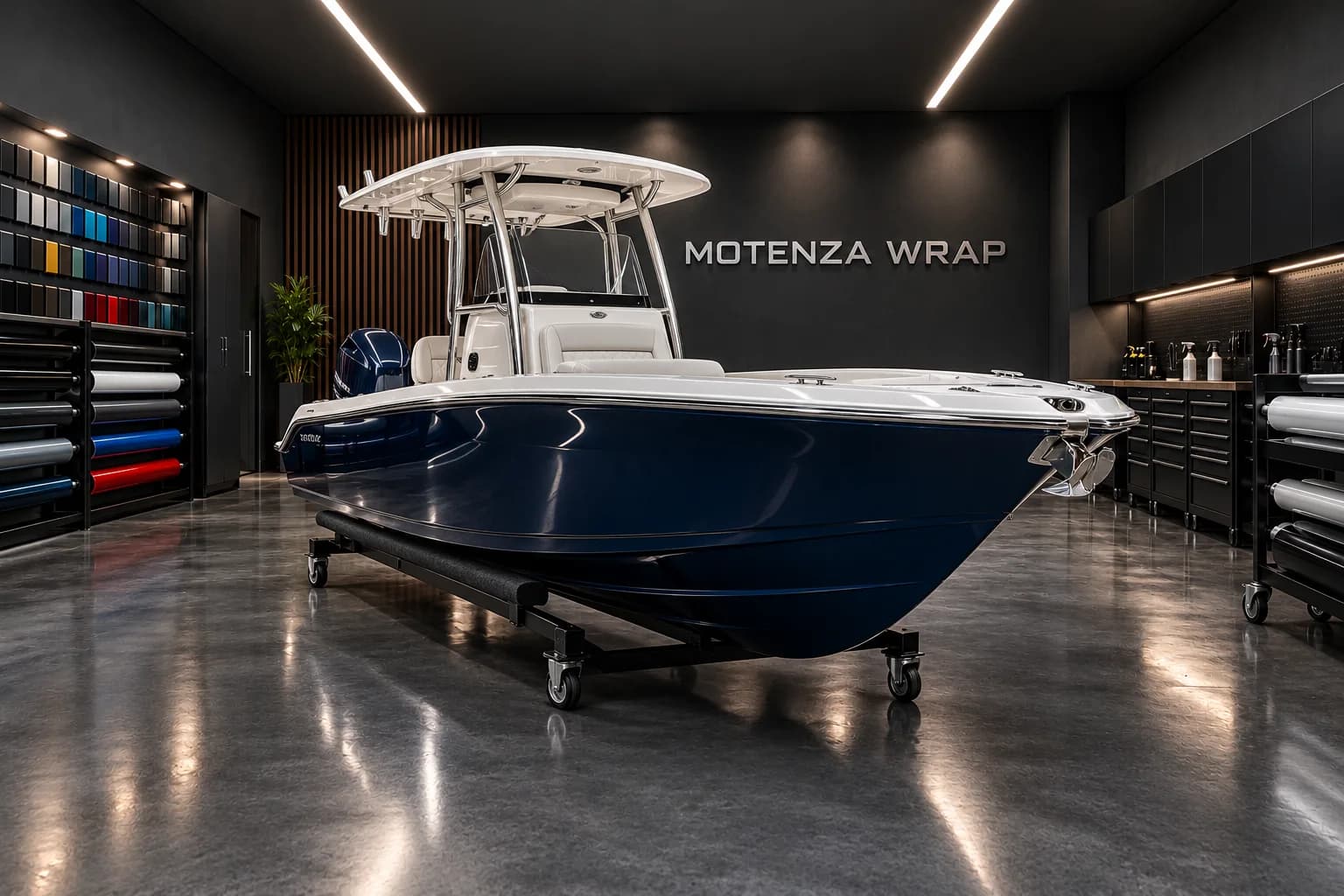
A vessel can combine gelcoat, painted panels, vinyl graphics and metal fittings. A single coating description does not establish compatibility across all of them.
How to make the decision
Make a surface inventory and mark the working boundary. Evaluate oxidation, previous products and access separately from the coating application. Obtain product-specific cleaning instructions for salt exposure and storage.
What to avoid
Do not assume that a product suitable for automotive paint also suits every marine surface or submerged area.
Prepare your project
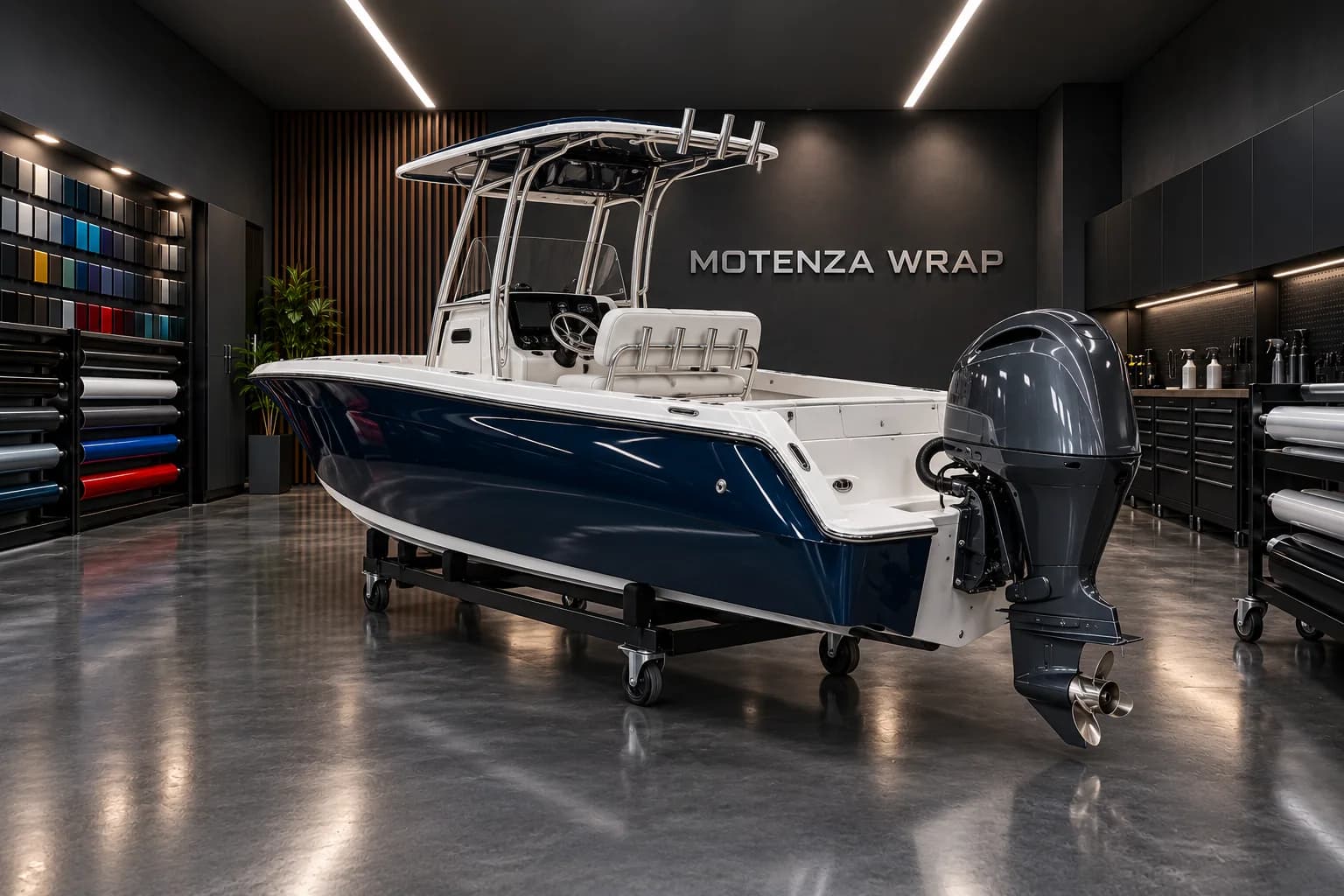
Send hull and deck views, substrate information, existing treatments and the proposed access arrangement.
A clearer project brief
- Vehicle and starting surface
- Record make, model, year and body style. Identify repaired or repainted panels, existing film and surface treatments. Include close photos of damage rather than hiding it behind a finish reference.
- The result you want
- Separate the appearance goal from the coverage goal. Name the surfaces that should change and the original details you want to keep. A reference image describes a direction; a selected physical material defines the product.
- The boundary of the work
- Ask for covered panels, visible edges, disassembly and exclusions in writing. Identify preparation and removal as separate tasks. Two proposals become comparable when their material and surface boundaries match.
- Before you approve
- Keep the final version of the scope, product reference and any artwork proof. Confirm timing directly before arranging transport. Ask for the exact care instructions and a contact route for questions after handover.
Discuss your project
Scope, material and installation dates are confirmed with the studio. An inquiry does not reserve an appointment.


