Hollywood, Florida · Serving Miami and Fort Lauderdale
Fleet wrap programs
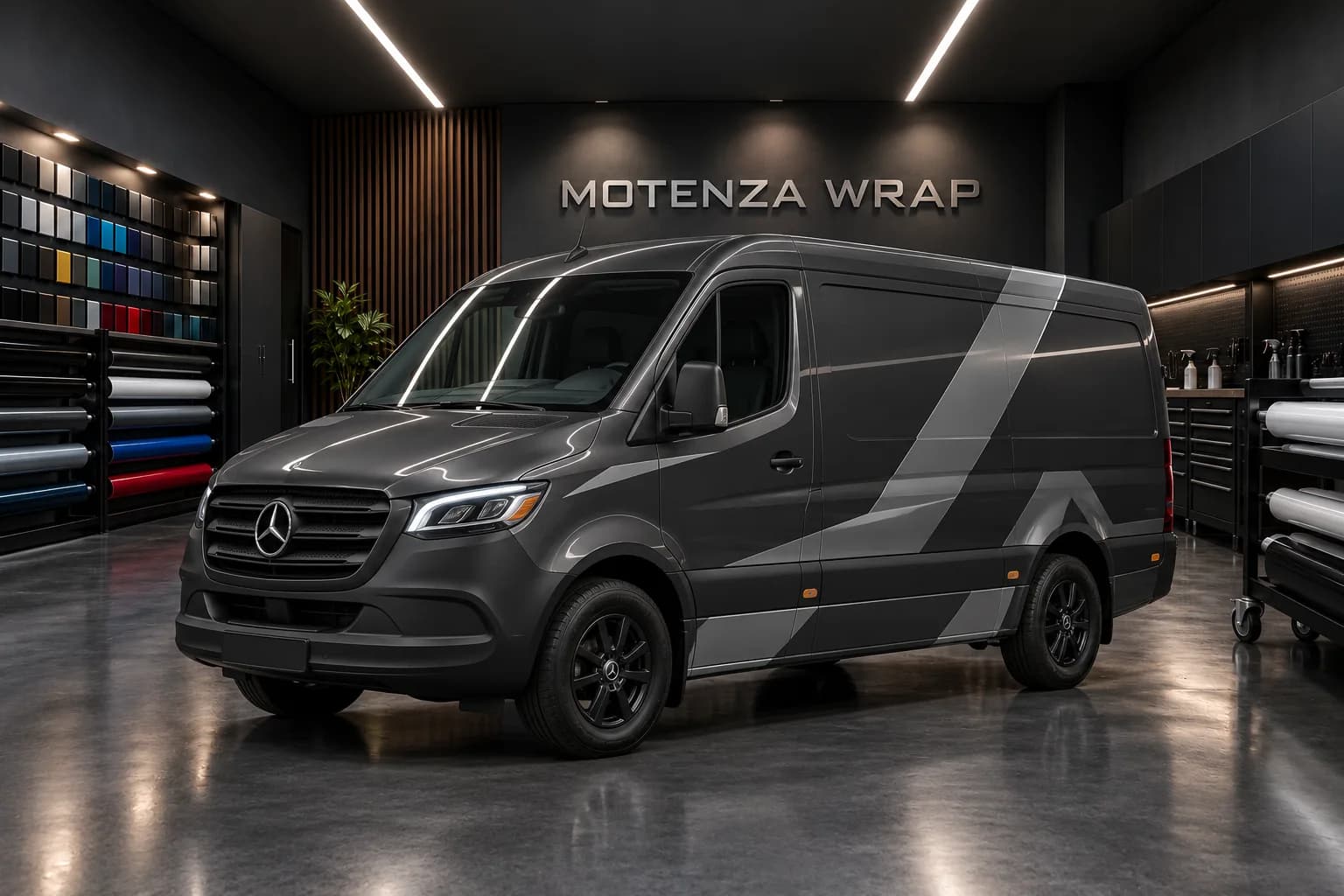
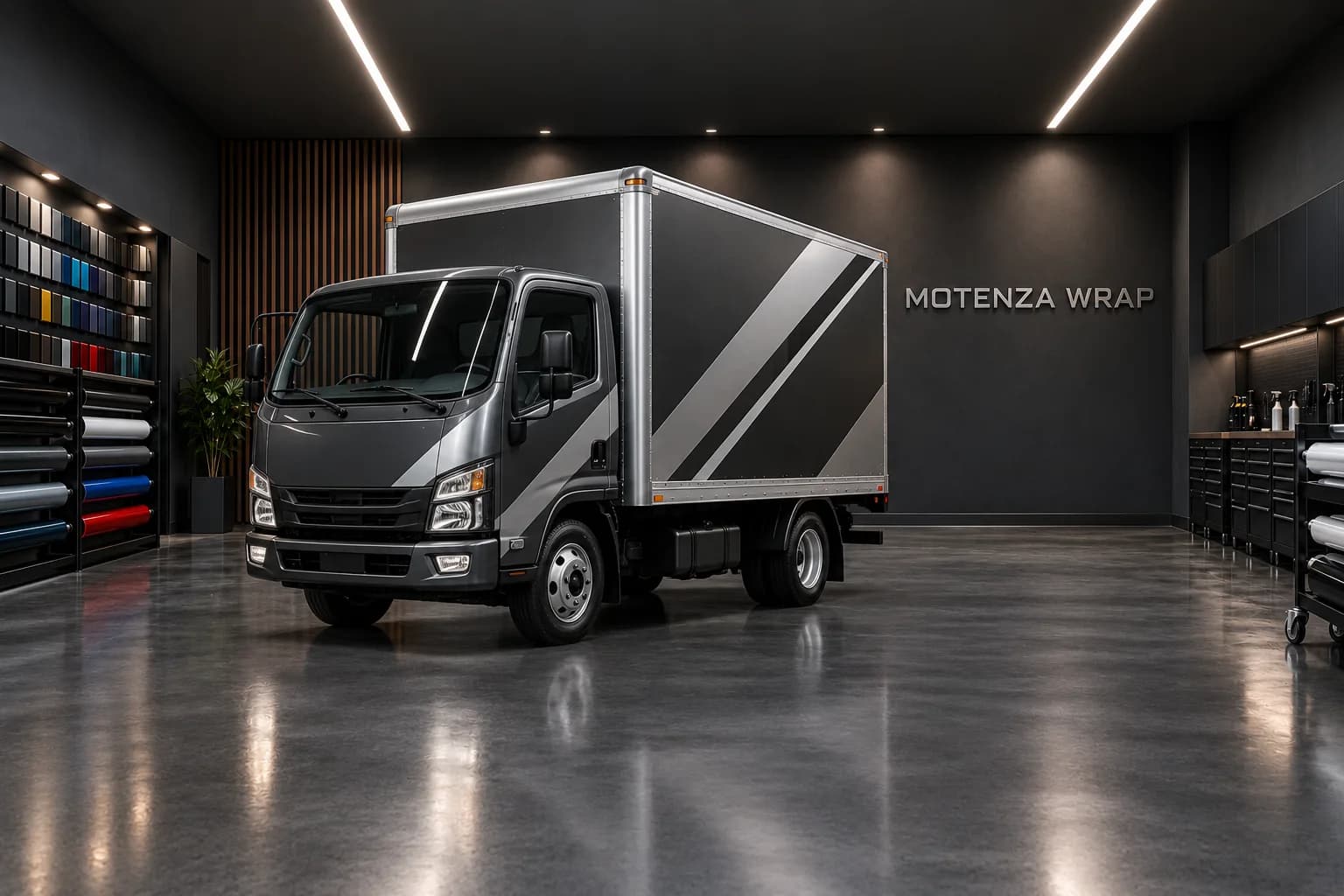
A fleet is a set of vehicle variants, not one design repeated at different sizes. List roof heights, wheelbases, doors and equipment before artwork is adapted.
How to make the decision
Use a master identity with rules for logo scale, contact hierarchy and color references. Keep a separate approved proof for each body variant. Plan vehicle availability in batches that reflect actual operations.
What to avoid
Stretching one mockup across every vehicle can put a phone number over a sliding door or behind equipment.
Create a vehicle register
Record vehicle type, model year, body length, door layout and existing graphics for each unit. A shared model name does not guarantee identical panel dimensions. Assign an internal unit reference to photos and proofs so the approved design is connected to the correct vehicle without publishing private fleet information.
Approve a repeatable design
Separate the fixed brand elements from unit-specific details such as vehicle number or service message. Check spelling, contact information and readability on both sides and the rear. Keep the approved artwork version and panel plan; a later addition to the fleet should be reviewed against those records rather than recreated from memory.
Plan installation and replacement
Explain which vehicles can be released together and which must remain operational. Ask for a proposed sequence rather than assuming a production date. For a damaged panel or a future replacement vehicle, confirm material availability, artwork changes and color review. A previous design approval does not establish identical aging or material availability later.
Prepare your project
Send the vehicle inventory, current brand files and the order in which vehicles can leave service.
A clearer project brief
- Vehicle and starting surface
- Record make, model, year and body style. Identify repaired or repainted panels, existing film and surface treatments. Include close photos of damage rather than hiding it behind a finish reference.
- The result you want
- Separate the appearance goal from the coverage goal. Name the surfaces that should change and the original details you want to keep. A reference image describes a direction; a selected physical material defines the product.
- The boundary of the work
- Ask for covered panels, visible edges, disassembly and exclusions in writing. Identify preparation and removal as separate tasks. Two proposals become comparable when their material and surface boundaries match.
- Before you approve
- Keep the final version of the scope, product reference and any artwork proof. Confirm timing directly before arranging transport. Ask for the exact care instructions and a contact route for questions after handover.
Discuss your project
Scope, material and installation dates are confirmed with the studio. An inquiry does not reserve an appointment.